Calisthenics vs Weights
What each method is genuinely better at, where the difference disappears, and how to decide without joining an argument.
On iPhone

Military Calisthenics Coach
Take the drill with you
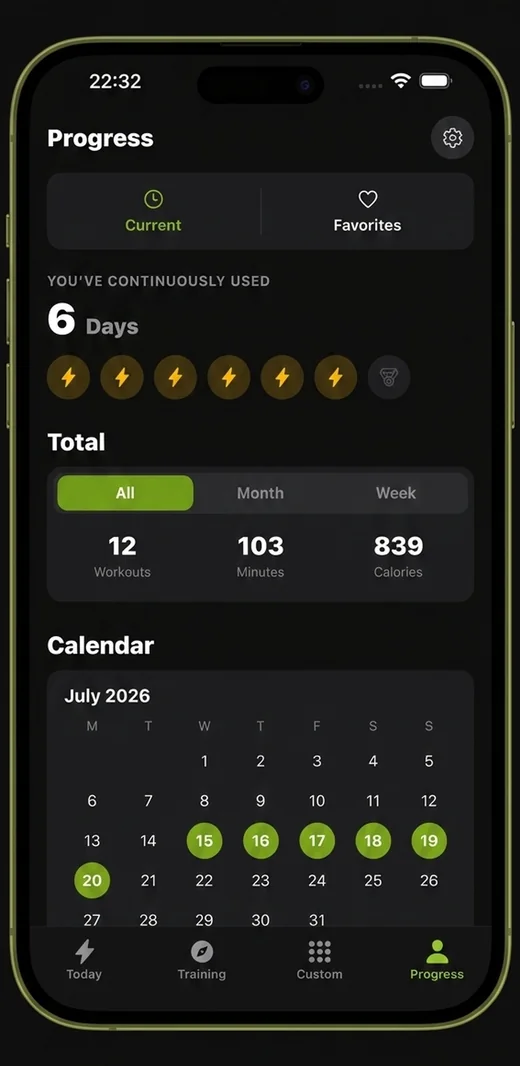
Everything on this site, built into a pocket coach. Military Calisthenics Coach turns the standards into a daily session you can run in a barracks, a garage or a hotel room — timed, tracked and scaled to you.
- A 21-day program that adapts to your level
- Guided timed sessions — no counting, no guessing
- Ranks, streaks and progress you can actually see



This argument has produced more content than either method has produced muscle. The useful version is short: the two overlap far more than either camp admits, they differ in about four specific ways, and the right choice is almost always the one you will still be doing in three years.
Where they are the same
Both build muscle through mechanical tension applied close to failure and increased over time. Both build strength through practice of a specific movement. Both require food and sleep to work. A person doing hard sets of archer push-ups and a person doing hard sets of bench press are running the same physiological process with different props.
Research comparing the two at matched effort finds similar upper-body results. The detail is in does calisthenics build muscle; the summary is that the equipment is not the variable that decides the outcome.
Where weights win
Legs, past the beginner stage. This is the real gap. Your body weighs what it weighs, and once two-leg squats are easy the only bodyweight options are single-leg variations that demand balance and ankle mobility alongside strength. A barbell squat lets you add 5 kg and continue. Nothing in calisthenics is that clean.
Precise, small increments. Adding 2.5 kg to a lift is a 2% jump. Going from a feet-elevated push-up to an archer push-up is a much bigger and less controllable step.
Isolating a weak point. If one muscle lags, a machine or a dumbbell targets it directly. Bodyweight alternatives are blunter.
Where calisthenics wins
Relative strength and body control. Nothing in a gym teaches the whole-body coordination that a pistol squat, a front lever or a handstand requires. These are strength skills, and they transfer to how you move in general in a way a leg press does not.
Joints. The hands and feet stay in contact with the floor or the bar, and the body picks its own path rather than following a fixed bar or machine track. For most people this means fewer complaints from shoulders and knees over the long run.
Friction. The best programme is the one that survives a busy month. A workout requiring a bar in a doorway survives a great deal that a workout requiring a 20-minute drive does not.
Cost. A pull-up bar is a one-off purchase. A gym is a monthly one, for decades.
The honest comparison
| Calisthenics | Weights | |
|---|---|---|
| Upper-body muscle | Excellent | Excellent |
| Leg muscle past beginner | Good, demanding | Excellent |
| Load increments | Coarse | Fine |
| Skill and body control | Excellent | Limited |
| Equipment cost | One bar | Gym or home setup |
| Works anywhere | Yes | Rarely |
| Isolating a weak muscle | Limited | Excellent |
The answer most people need
Do both, eventually, and stop treating it as a choice. The common sensible pattern looks like this:
- Year one: calisthenics. Build the base, learn the movement patterns, get to twenty push-ups and ten pull-ups. Start with the best calisthenics workout.
- When legs stall: add a barbell or heavy dumbbells for squats and deadlifts, or commit seriously to pistols and Nordic curls. Either works; the first is easier.
- When upper-body progressions get coarse: hang weight from a belt for pull-ups and dips. Weighted calisthenics covers when and how much.
At that point you are not doing calisthenics or weights. You are training, which was always the point.
One thing worth saying to beginners
If you are choosing between a perfect weights programme you will start next month and a decent bodyweight routine you can start this evening, start this evening. The variable that dominates every result in this comparison is the number of sessions completed, and it is not close.